Braised Pork Belly with Preserved Mustard Greens: A Harmony of Richness and Tang
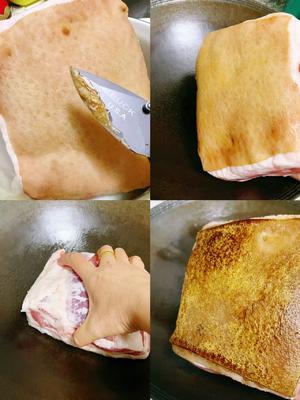
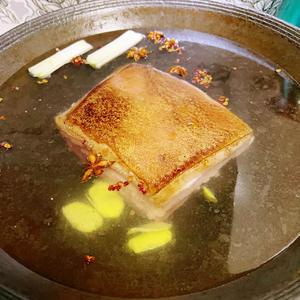
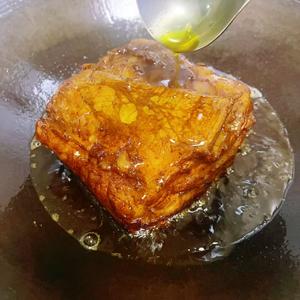
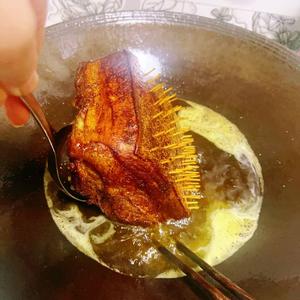
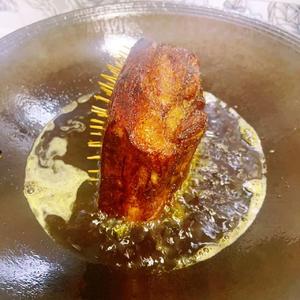
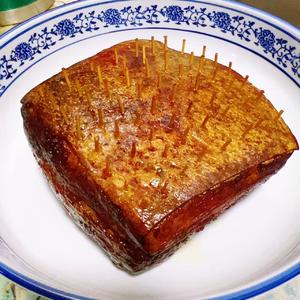
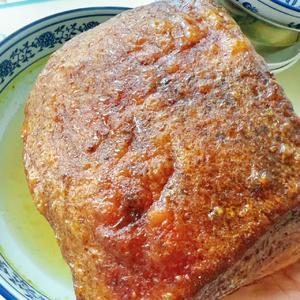
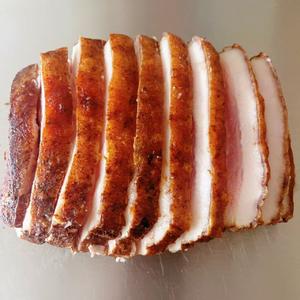
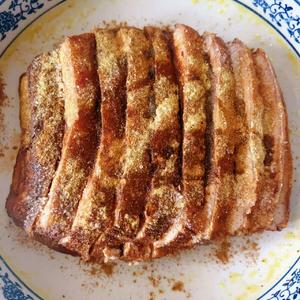
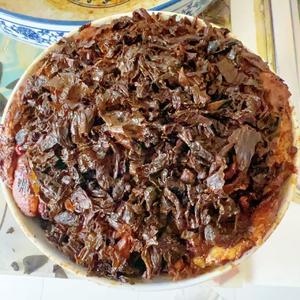
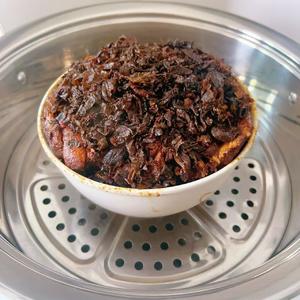
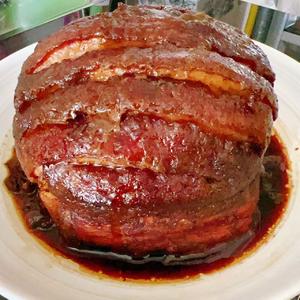
“Braised Pork Belly”refers to a specific cut and cooking technique. Pork belly, prized for its alternating layers of fat and meat, is subjected to braising—a slow, moist-heat cooking method often involving searing then simmering in a seasoned liquid. This process renders the fat, tenderizes the connective tissues, and transforms the meat into an unctuous, melt-in-the-mouth delicacy. Secondly, “Preserved Mustard Greens” (commonly known as mei cai or zha cai) are vegetables that undergo salting, fermenting, and drying. This preservation method develops a complex flavor profile: tangy, salty, earthy, and slightly sour. The genius of the dish Braised Pork Belly with Preserved Mustard Greenslies in their union. Typically, the braised pork is placed atop a mound of rehydrated preserved greens and steamed together. This final step allows the rich pork fats and savory braising juices to soak into the greens, while the sharp, acidic notes of the greens cut through the pork’s richness, achieving a sublime balance on the plate.
Q1: What is the purpose of the preserved mustard greens in Braised Pork Belly with Preserved Mustard Greens? Can I use fresh greens instead?
A1: The preserved mustard greens are not a mere garnish; they are a essential flavor counterpoint. Their primary role is to provide a sharp, tangy contrast to the intense richness of the braised pork belly. This balance prevents the dish from feeling overly heavy. Using fresh greens is not recommended, as they lack the concentrated umami, complex fermentation notes, and textural integrity that define the dish. The unique taste of Braised Pork Belly with Preserved Mustard Greens depends fundamentally on this preserved component.
Q2: Why is pork belly the ideal cut for this dish, as opposed to a leaner pork cut?
A2: Pork belly is non-negotiable for authentic Braised Pork Belly with Preserved Mustard Greens. Its high fat content is crucial. During the long, slow braise, this fat renders and bastes the meat from within, creating its characteristic tenderness and luxurious mouthfeel. The rendered fat also forms the base of the delicious sauce. A leaner cut, like pork loin, would become dry and stringy with such prolonged cooking. The preserved mustard greens need that luxurious fat to mellow and become truly flavorful.
Part 3: Nutritional Insights and Benefits
While Braised Pork Belly with Preserved Mustard Greens is a celebratory dish, it offers a distinctive nutritional profile. Pork belly is a significant source of high-quality protein, essential for muscle repair and satiety. It is also rich in B vitamins, particularly thiamine (B1) and B12, which are vital for energy metabolism and nervous system function. The preserved mustard greens contribute dietary fiber, which aids digestion, and provide minerals like iron and potassium. The fermentation process may also introduce beneficial probiotics that support gut health.
The key to enjoying the benefits of Braised Pork Belly with Preserved Mustard Greens lies in mindful consumption. It is energy-dense, providing sustained fuel. The significant protein and fat content promotes a strong feeling of fullness, which can help with portion control. When enjoyed in moderation as part of a balanced diet, this dish is a prime example of how traditional cooking intuitively combines ingredients—like the fatty pork and fibrous, fermented greens—to create a satisfying and complex food experience that delights the senses.