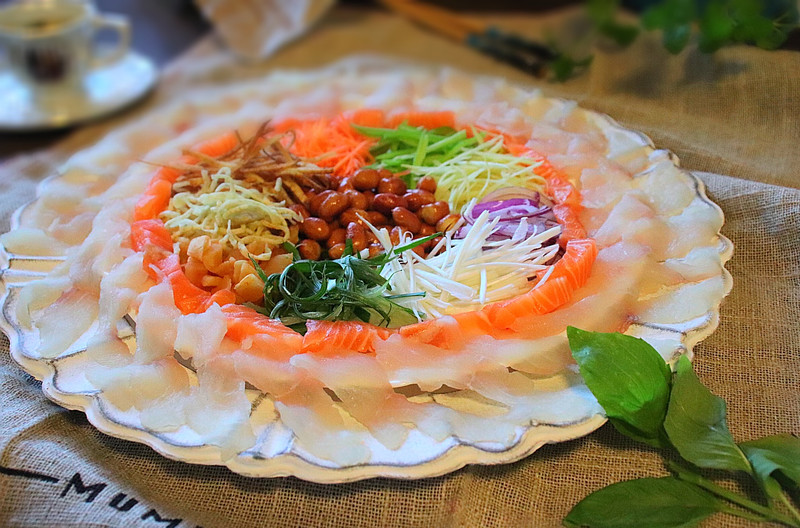
Shunde Yu Sheng (Cantonese Sashimi)

Shunde Sashimi

Shunde Sashimi (Yu Sheng) Recipe

Shunde Style Sashimi: The Art of Freshness in Cantonese Cuisine

Shunde Style Sashimi, often celebrated as one of the pinnacles of Cantonese culinary artistry, represents a unique and historic approach to consuming raw fish that is distinctly different from its Japanese counterpart. Originating from Shunde, a district in Foshan, Guangdong Province renowned as the “hometown of Cantonese cuisine,” this dish highlights the region’s deep-rooted philosophy of emphasizing supreme freshness, delicate textures, and refined, natural flavors. Unlike Japanese sashimi, which focuses on oceanic fish, Shunde Style Sashimi traditionally features expertly prepared freshwater fish, showcasing the area’s rich riverine resources and the chefs’ exceptional skill in handling and presentation. This dish is not merely a meal but a cultural experience, embodying the Cantonese pursuit of culinary perfection and seasonal eating.

The core essence of Shunde Style Sashimi lies in its unwavering commitment to “live freshness.” The fish, typically grass carp, mandarin fish, or other local freshwater varieties, is selected alive and processed with remarkable speed and precision. The goal is to serve the fish at its absolute peak—within minutes of preparation—to ensure a texture that is both tender and slightly crisp, with a clean, sweet taste devoid of any muddy aftertaste. The preparation involves meticulous filleting and slicing techniques, resulting in paper-thin, translucent slices that are arranged artfully on a plate, often over shaved ice to maintain their chilled firmness. This practice underscores the technical mastery required for authentic Shunde Style Sashimi, where the knife work is as crucial as the quality of the ingredient itself.

Accompaniment and presentation are integral to the Shunde Style Sashimi experience. The fish is rarely served alone; it comes with an extensive array of condiments and side ingredients. Diners are provided with a personal bowl to custom-mix a combination of shredded ginger, garlic, spring onion, cilantro, pickled ginger, peanuts, sesame seeds, crispy fried dough strips, and more, all tossed with oil and soy sauce. This interactive, DIY aspect allows each person to tailor the flavor profile to their liking, creating a harmonious blend of the fish’s natural sweetness with the condiments’ aromatic, savory, and crunchy elements. This method of eating enhances the social and celebratory nature of the dish, making it a centerpiece for gatherings and festive occasions.

From a nutritional and culinary heritage perspective, Shunde Style Sashimi offers high-quality protein, omega-3 fatty acids, and essential minerals. Its light, unadorned base makes it a healthy choice, while the accompanying ingredients add layers of flavor without overwhelming the primary ingredient. The dish holds significant cultural status; it is considered a symbol of hospitality and abundance in Shunde and is often featured during important banquets and Lunar New Year celebrations. For culinary tourists and food enthusiasts, seeking out authentic Shunde Style Sashimi is a must-do journey into the heart of Cantonese gastronomy.

In conclusion, Shunde Style Sashimi stands as a testament to the sophistication and freshness-driven ethos of Shunde’s culinary tradition. It is a dish that demands skill, respects ingredients, and engages all the senses. More than just raw fish, it is a celebration of texture, communal dining, and the pure, unadulterated taste of the water. For anyone exploring the depths of authentic Chinese regional cuisine, experiencing Shunde Style Sashimi is an unforgettable dive into a world where tradition and taste converge on a single, exquisite plate.

Ingredients
Main Ingredients Quantity Side Ingredients & Seasonings Quantity
Fresh grass carp 1 whole fish Shredded ginger 20g
Salmon 40g Shredded carrot 20g
Lipu taro 100g Shredded green pepper 20g
Peanuts 50g Houttuynia cordata 10g
Shredded scallion white 20g
Shredded purple onion 20g
Dried radish 20g
Salt 4g
Sesame oil 5g
White vinegar 3g
Minced garlic 3g
White sesame seeds 3g

Instructions

  1. Prepare the grass carp: Pat the fresh grass carp dry with kitchen paper. Starting from the tail, slice the flesh away from the central bone in one smooth motion.
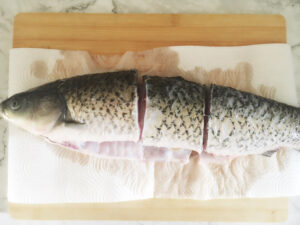
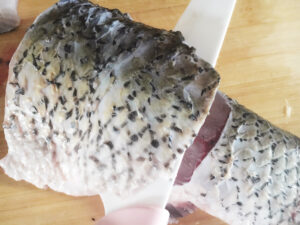
  2. Remove bones and skin: Trim off the large bones in the belly area. Place the fish flesh skin-side down and carefully slice off the skin to separate it from the flesh.
  3. Trim for purity: Cut away any reddish flesh along the fish’s spine—only the pure white flesh is used for authentic Shunde sashimi.
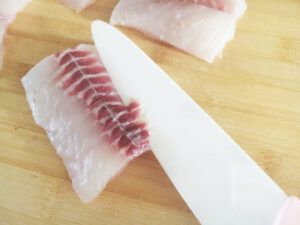
  4. Slice the fish thinly: Hold the white fish flesh firmly. Slice it diagonally from left to right into ultra-thin, translucent pieces—the thinner, the better, as this is the key to the dish’s texture.
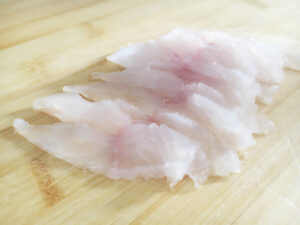
  5. Make crispy taro shreds: Take a small piece of Lipu taro and shred it into extremely fine strips. Heat oil to 150°C (50% heat), then fry the taro shreds until golden and crispy. Drain and set aside.
  6. Prepare toppings: Roast the peanuts until fragrant, then let them cool. Shred the ginger, carrot, green pepper, scallion white, and purple onion into thin, uniform strips. Chop the houttuynia cordata and dried radish finely
  7. Arrange the dish: Place all the shredded side ingredients on a large plate. Top with the thinly sliced grass carp sashimi and salmon pieces in an attractive pattern. Sprinkle with roasted peanuts and white sesame seeds.
  8. Serve and enjoy: Season the sashimi simply with a pinch of salt and a drizzle of sesame oil. Before eating, toss all the ingredients together thoroughly—this step is called “Lao Qi” in Cantonese. Literally meaning “lift up”, it symbolizes prosperity and good luck (“Feng Sheng Shui Qi”).
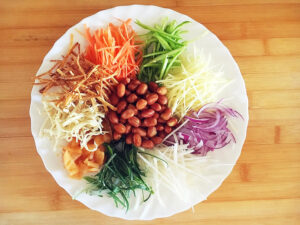
  9. Cooking Tips
    Knife skills are everything: The most critical step is slicing the fish into translucent thin pieces. Practice holding the knife at a steady angle and applying even pressure.
    Freshness is non-negotiable: Use only the freshest grass carp—this guarantees the sashimi’s tender texture and clean, mild flavor.
    Precision in shredding: All the side ingredients should be shredded uniformly to ensure a balanced mix of textures (crunchy, crisp, and tender) in every bite.