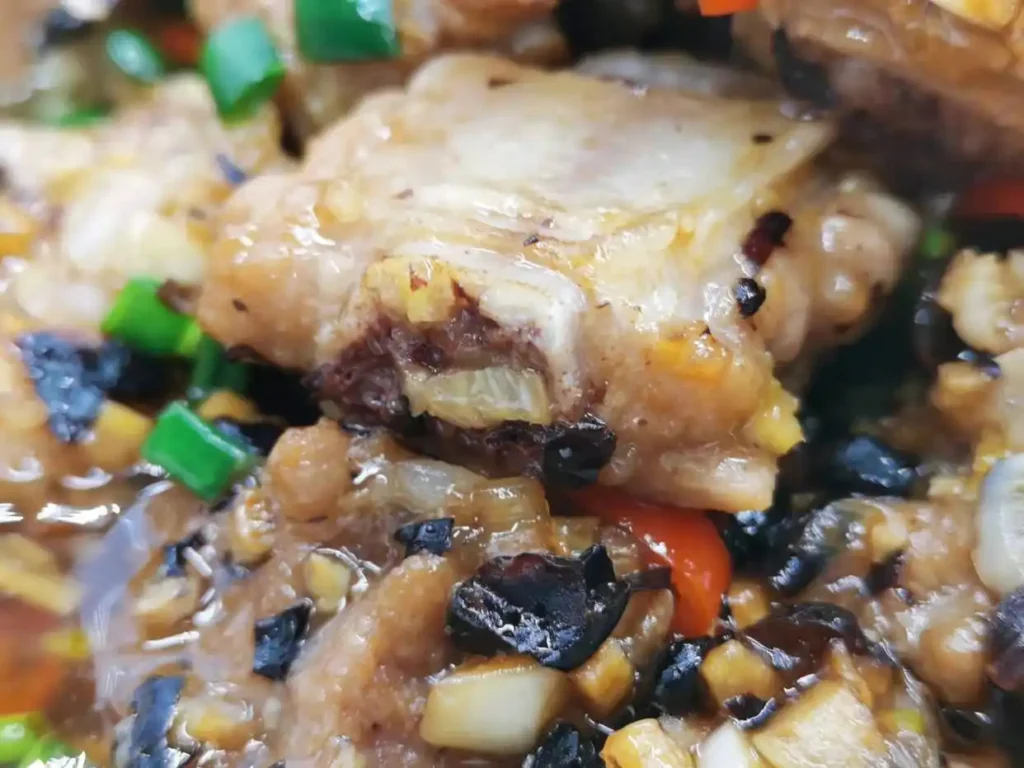
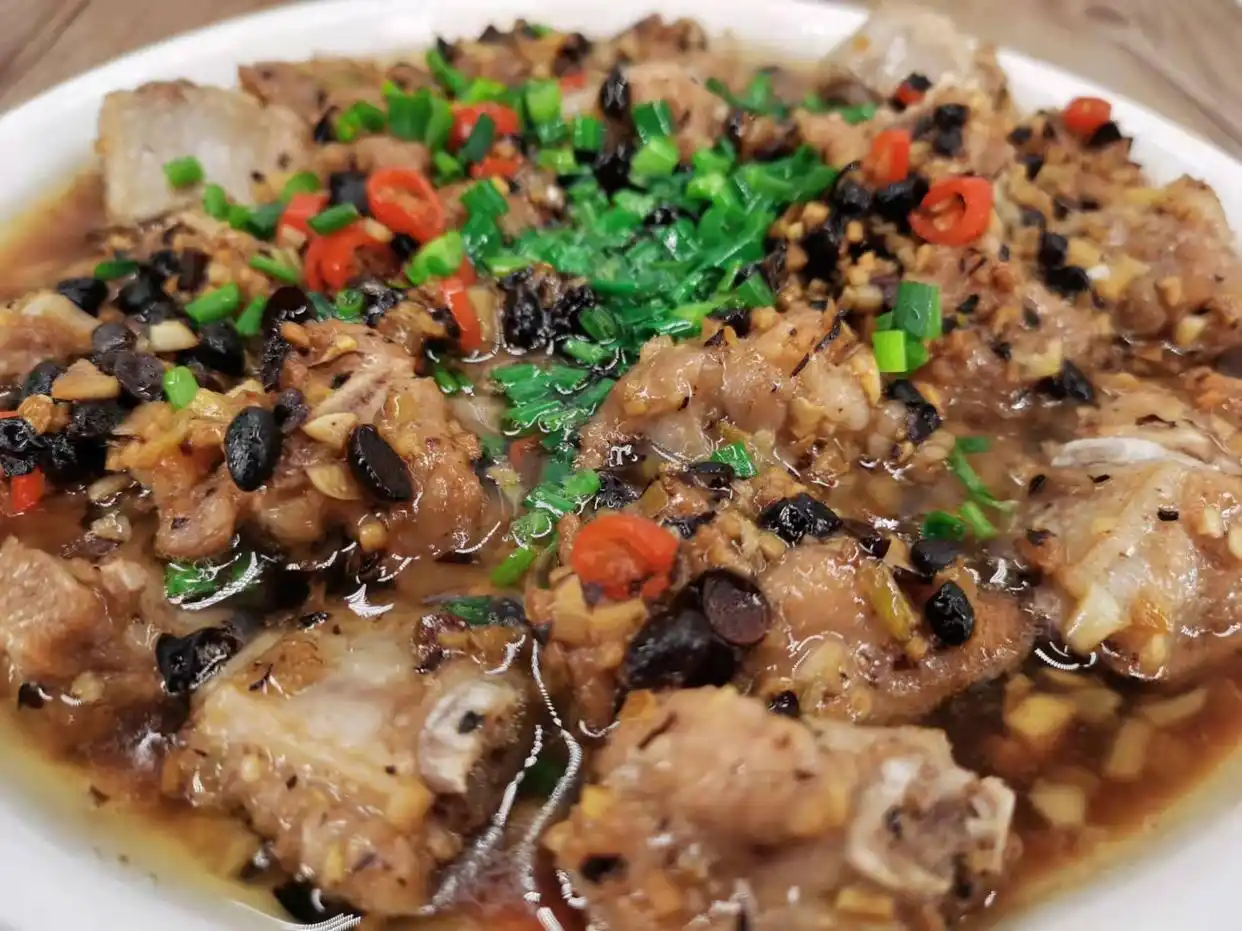
The home-style recipe for Cantonese-style steamed pork ribs with black bean sauce is characterized by its rich soybean flavor, tender texture, and deliciousness that leaves you wanting more
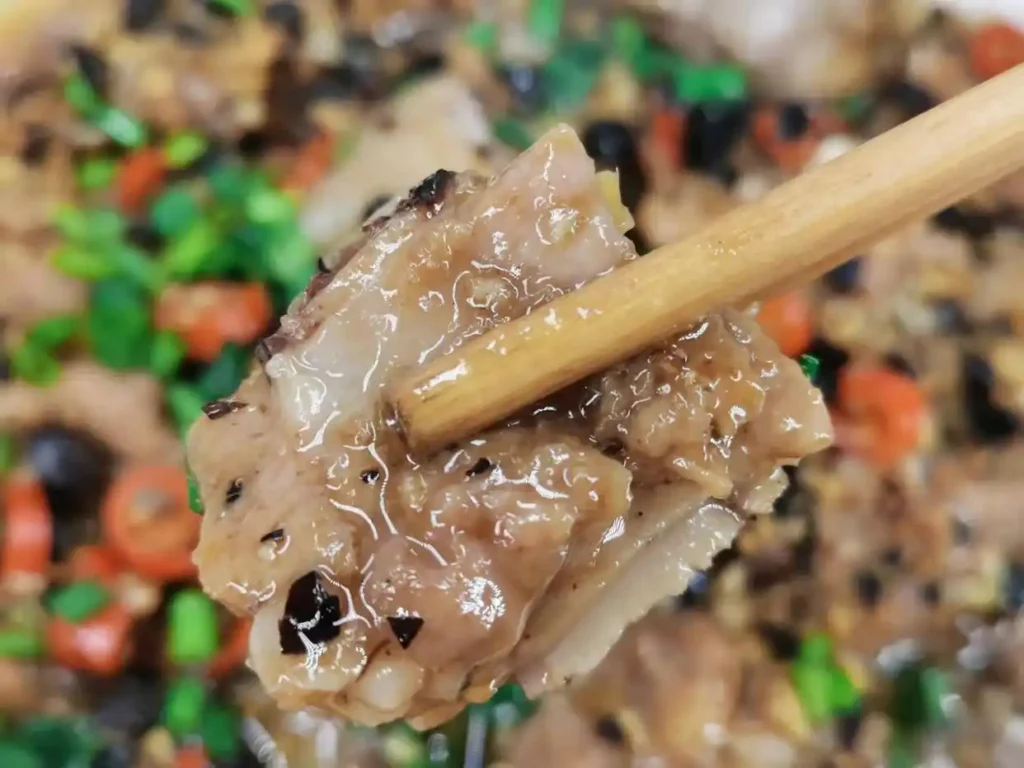
Steamed Pork Ribs in Black Bean Sauce is a classic Cantonese dish from Guangdong. Although the preparation is simple and quick, the finished ribs are incredibly delicious, with a strong aroma of black beans, dried tangerine peel, and garlic. Anyone who has tasted authentic versions will never forget it—such a level of deliciousness is not to be taken lightly.
Using hotel-level professionalism to prepare home-cooked meals, making cooking a joy and an indulgence. I’m Wen Tingting, let’s explore this tangible, colorful, and flavorful world of deliciousness together.
In Guangdong, there are two types of steamed pork ribs with black bean sauce. One is the Dim sum steamed pork ribs served in morning tea shops, which are relatively light in flavor. The other is the hot dish steamed pork ribs with black bean sauce, which has a completely different taste from the morning tea shop version. It has a stronger flavor and a deeper color, and personally, I find it much more delicious. Today, I’m going to share this super delicious steamed pork ribs with black bean sauce. The restaurant’s method is overly complicated and time-consuming, so I simplified it by eliminating some unnecessary steps, making it much easier to prepare.
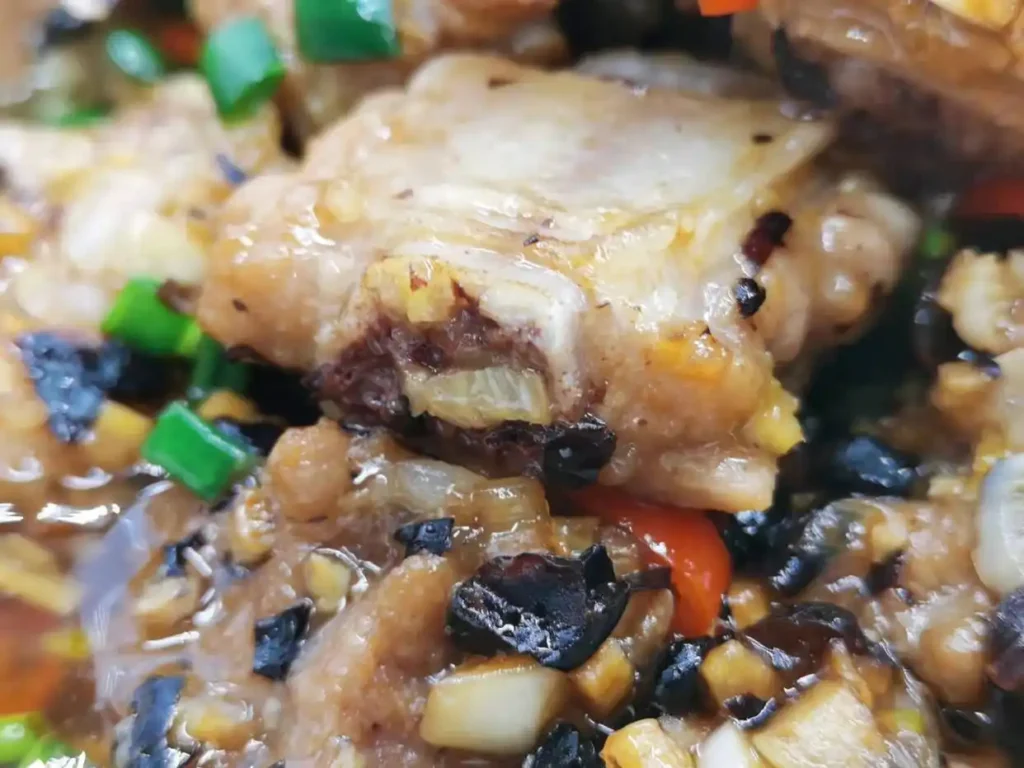
The recipe for steamed pork ribs with black bean sauce:
[Main Ingredient]: 500 grams of pork spareribs.
[Ingredients]: 1 small piece of dried tangerine peel, 1 small handful of fermented black beans, 1 small piece of ginger, 3 cloves of garlic, 3 green onions, and 2 small chili peppers.
[Seasoning]: peanut oil, edible salt, white pepper powder, steamed fish soy sauce, oyster sauce, white sugar, light soy sauce, dark soy sauce, sesame oil, starch.
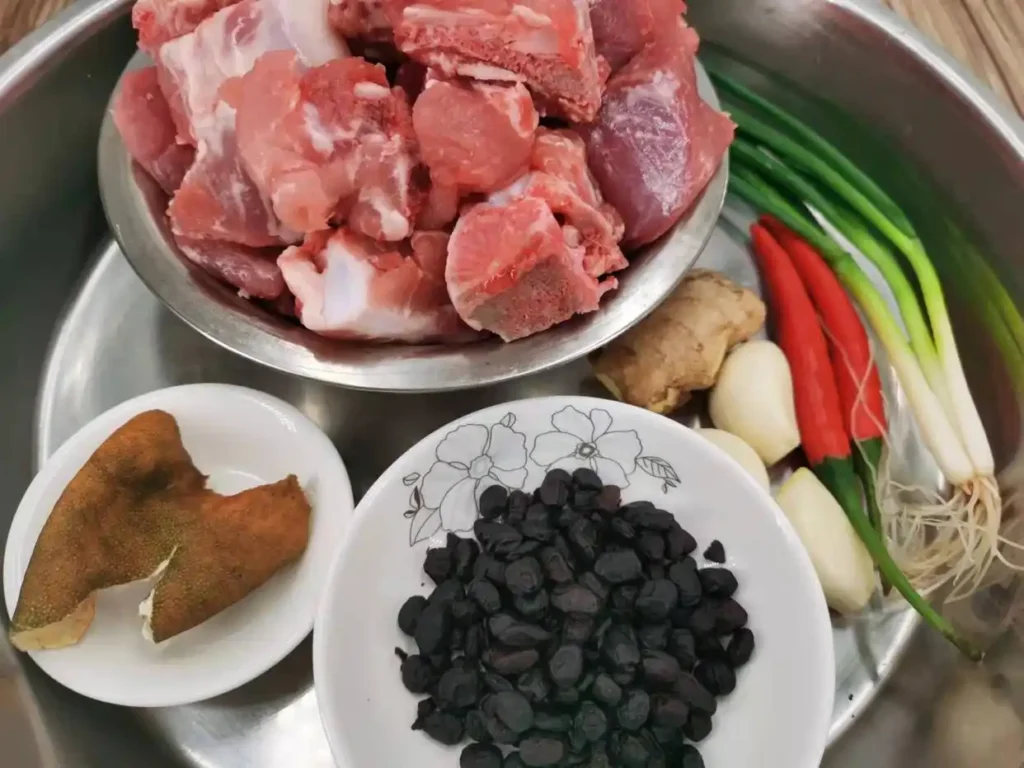
[Preparatory work]:
1. Chop the pork spareribs into small sections, clean them first, and then place them in a large dish. Add some water and add 1 gram of baking soda. The purpose of adding baking soda is to loosen the meat texture. The purpose of soaking is to leach out the blood from the spareribs. It is best to soak for at least 2 hours for better results.
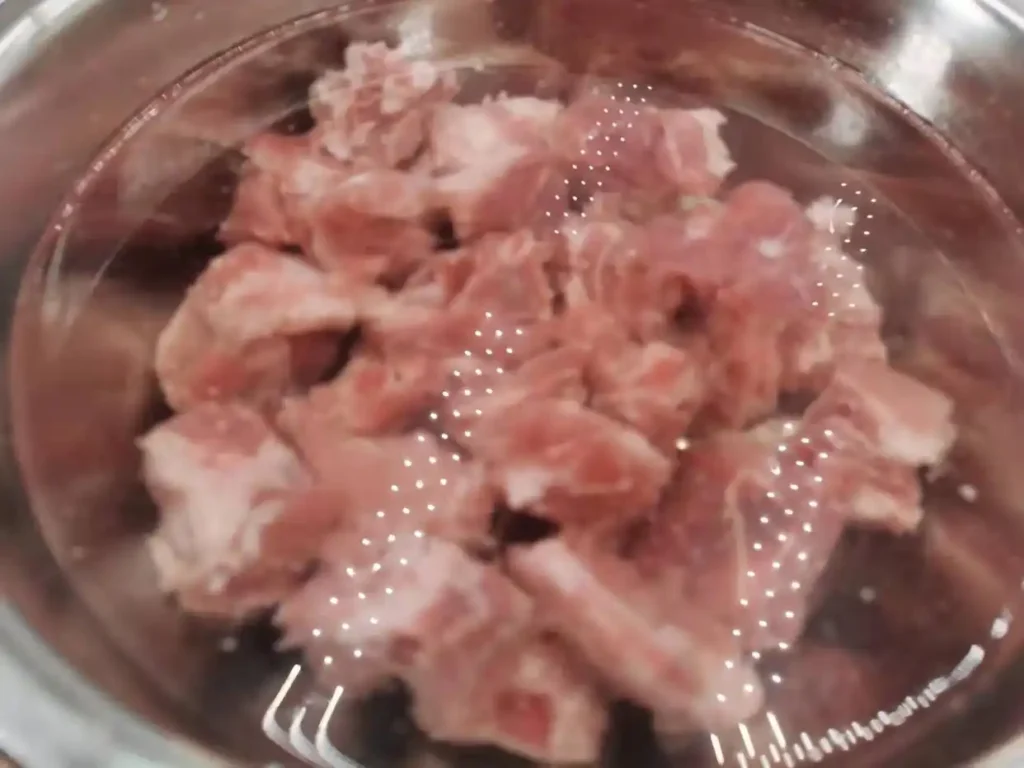
2. After soaking, rinse the ribs with clean water several times. Add just enough water to cover the ribs in a dish, then add 1 tablespoon of white vinegar and mix well. Soak for another 10 minutes. The ribs soaked in white vinegar will turn out tender and soft when steamed.
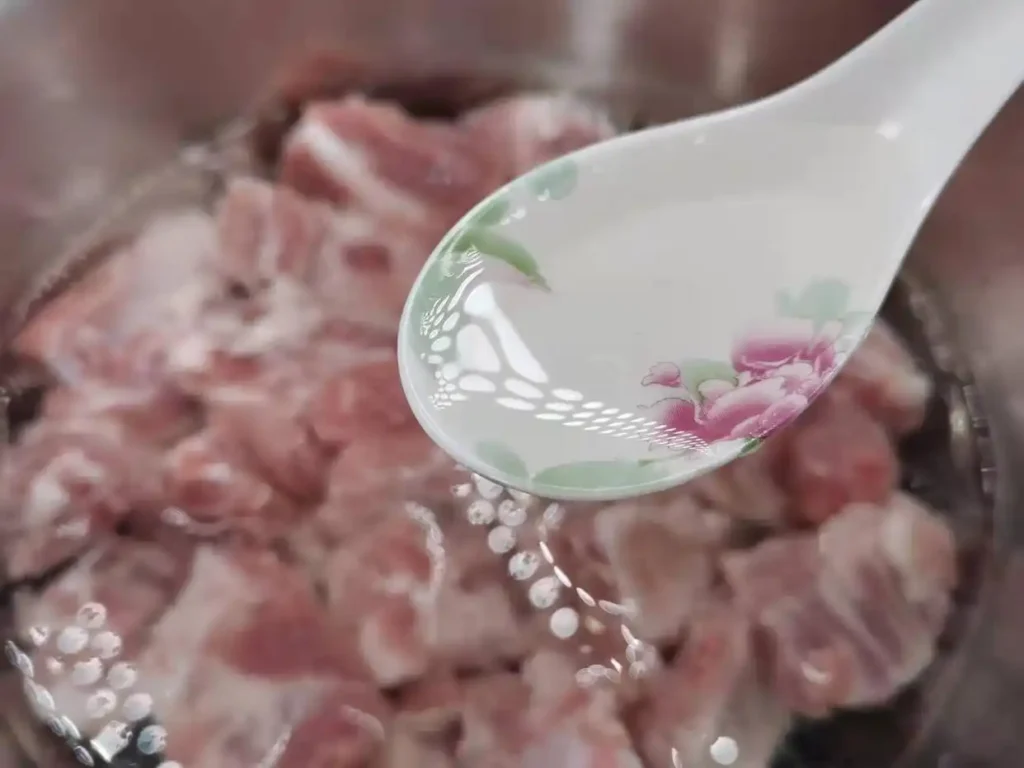
3. Rinse the vinegar-soaked ribs with clean water to remove the vinegar taste. After rinsing, squeeze out the water in the ribs with your hands, and then use a clean towel or kitchen paper to absorb the water on the surface of the ribs. If there is too much water in the ribs, it will be difficult for the seasoning to penetrate, and the steamed ribs will taste bland and will release a lot of juice, which will make them look unappealing and taste bad. Place the water-controlled ribs in a large dish for later use.
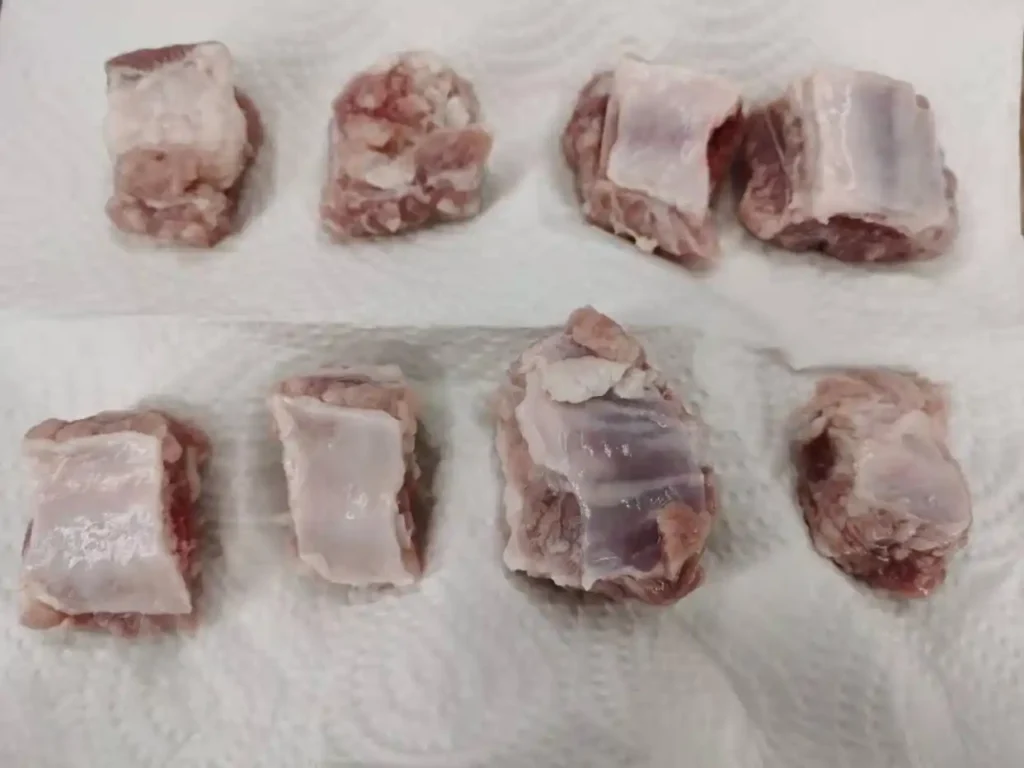
4. First, clean the fermented black bean with clean water. Because the fermented black bean tends to be dirty during the fermentation and drying process, it needs to be cleaned thoroughly to ensure a safe and satisfying taste. However, avoid over-cleaning as it may lead to the loss of flavor, making the effort counterproductive. After washing and draining, chop it slightly with a knife, without deliberately chopping it too finely. Once chopped, place it in a dish and set aside.
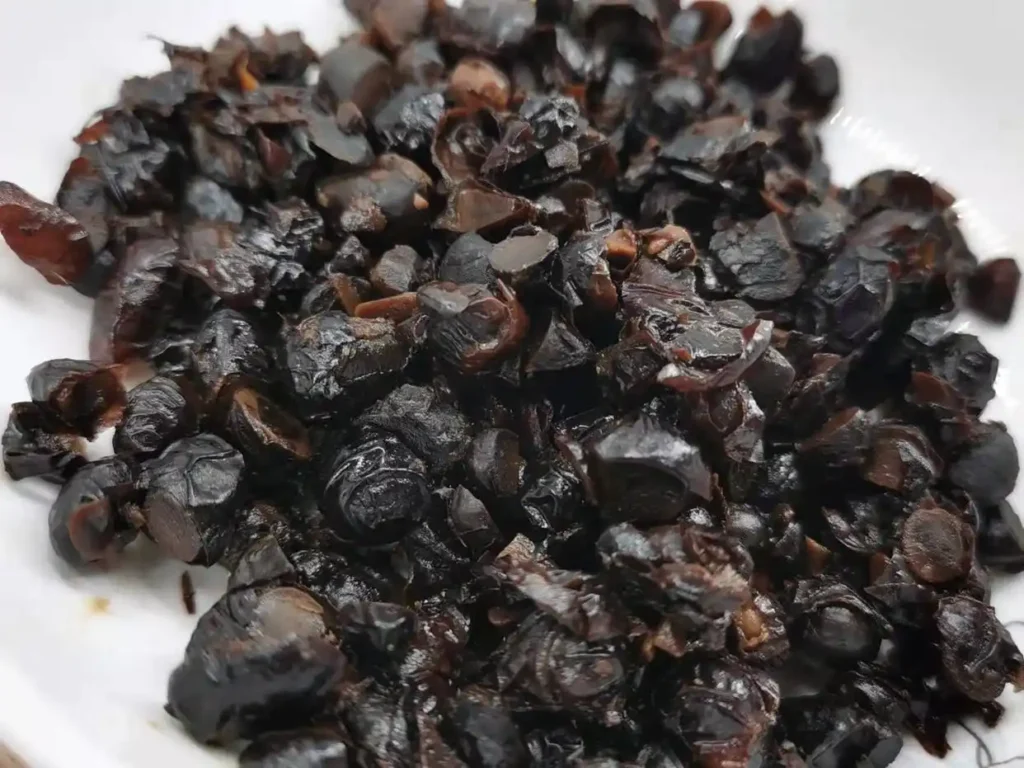
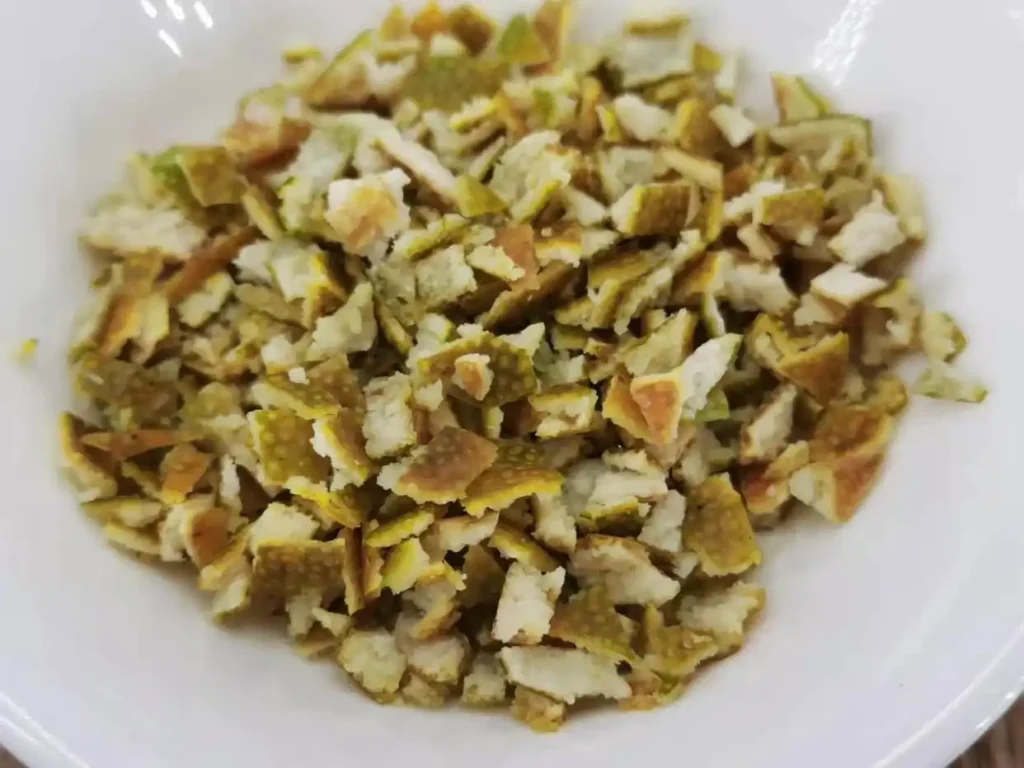
5. Among all the ingredients for this steamed pork ribs with black bean sauce, fermented black beans and dried tangerine peel are indispensable. If you really can’t find dried tangerine peel, you can use a piece of orange peel to cheat yourself. First, soak the dried tangerine peel in water until it becomes soft. Then, use a knife to remove the white pith inside the dried tangerine peel, as this part is bitter and must be removed, otherwise it will affect the taste. After soaking, cut the dried tangerine peel into strips and then into small pieces for later use.
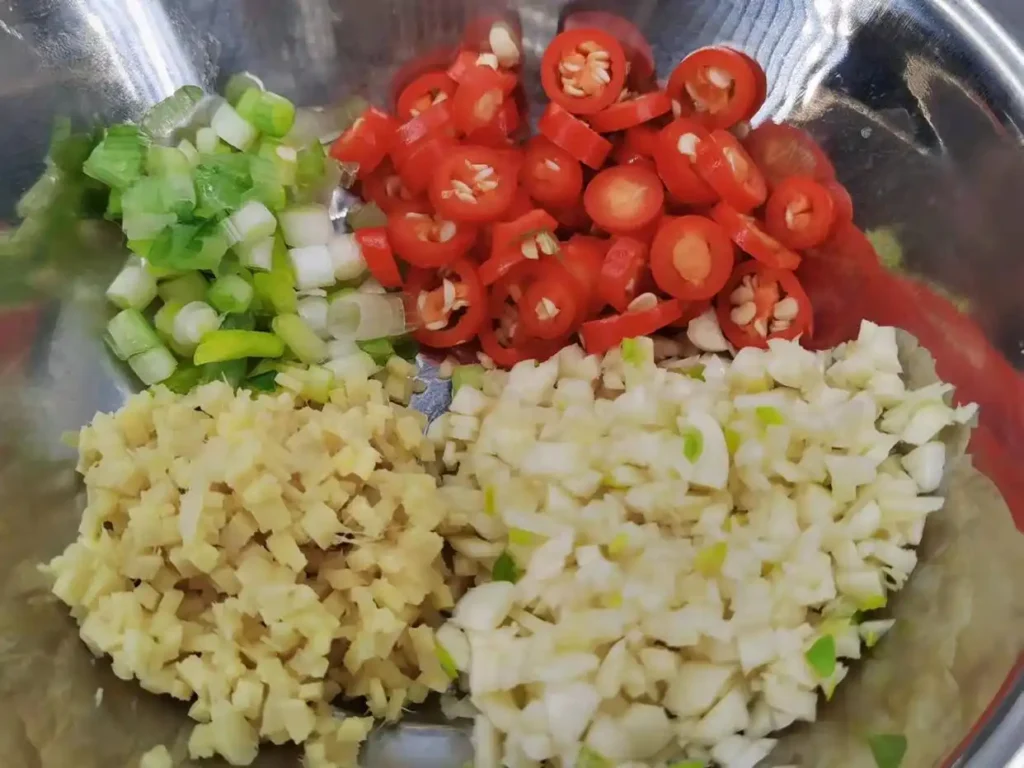
6. Peel and clean the ginger. First, slice it thinly, then shred it into thin strips, and finally chop it into ginger powder. Chop the garlic into garlic powder, the white part of the green onion into chopped green onion, and the chili pepper into small rings for later use. If you don’t like spicy food, you can omit the chili pepper.
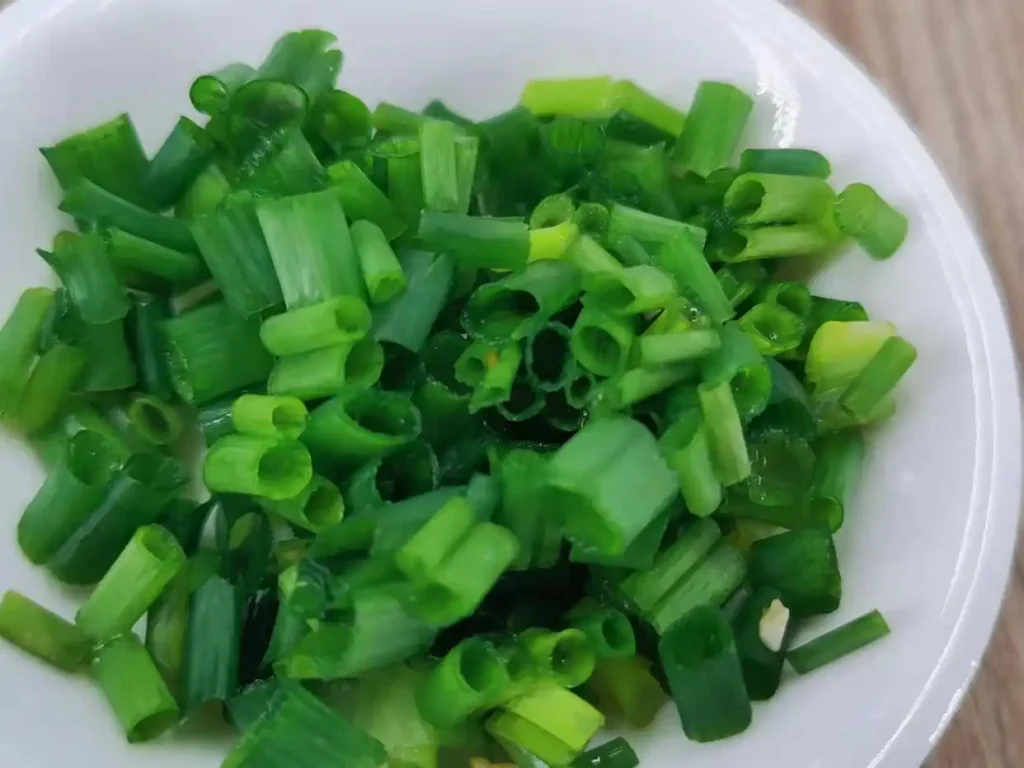
7. Cut the green part of the green onions into small pieces for use as garnish. The green part is used to decorate the noodles, so set it aside separately for later use.
[Cooking method]:
1. Put the minced scallion, ginger, garlic, fermented black bean, dried tangerine peel, and chili peppers in a dish, and heat 50 grams of peanut oil.
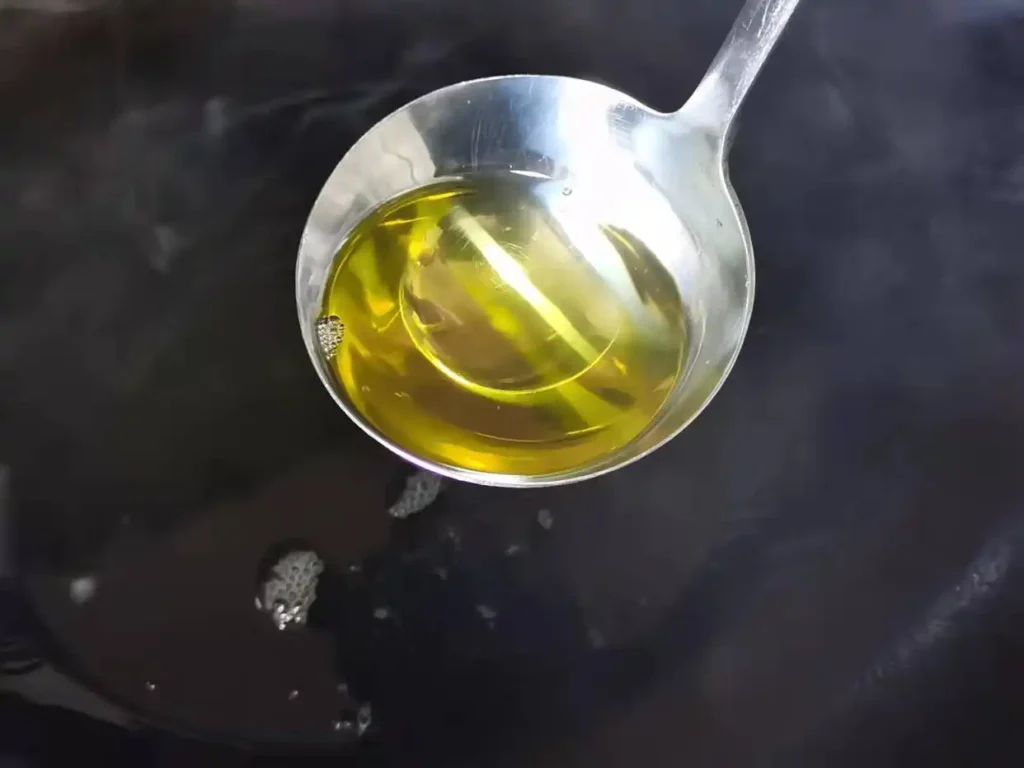
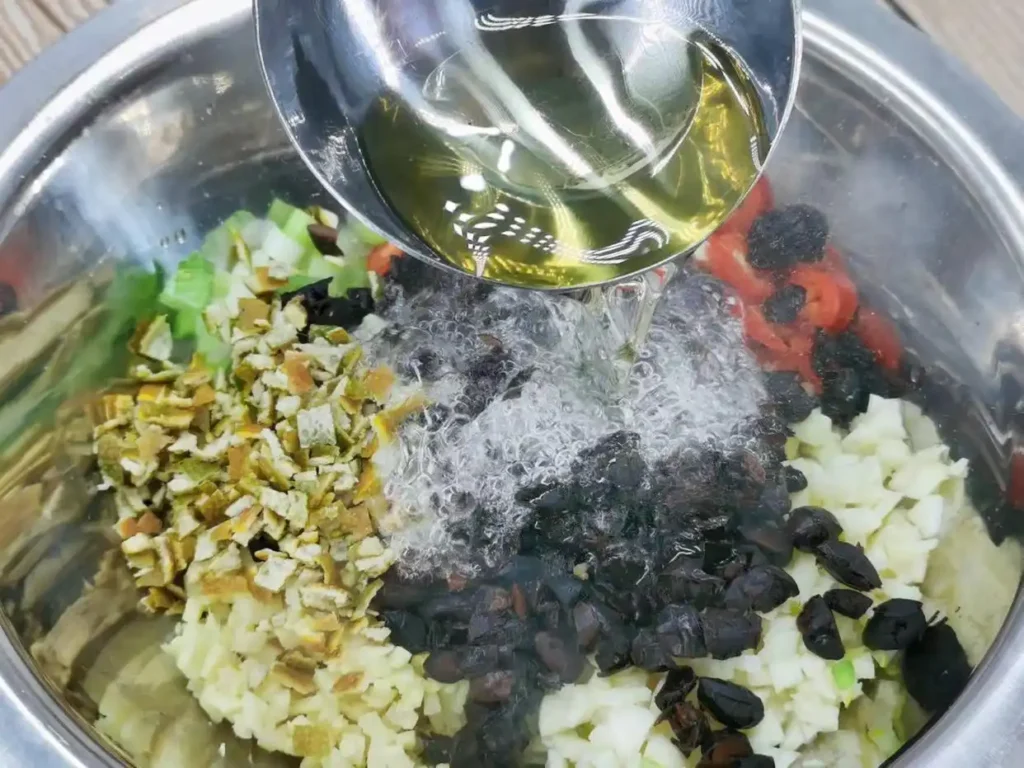
2. Heat the oil to 70% heat and pour it into the dish in two portions. After pouring the first portion, stir with chopsticks, and then pour the remaining hot oil into the dish. This will fully bring out the aroma of all the ingredients. Stir the mixture evenly after pouring the hot oil.
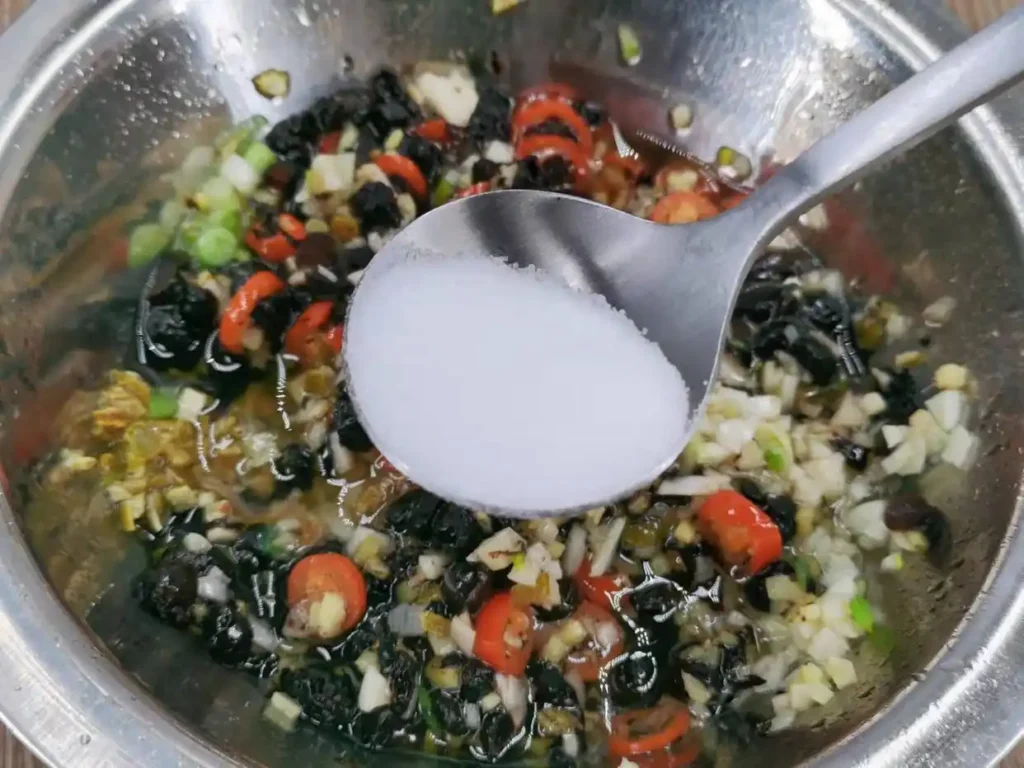
3. Add an appropriate amount of salt to enhance the flavor, about 3 grams.
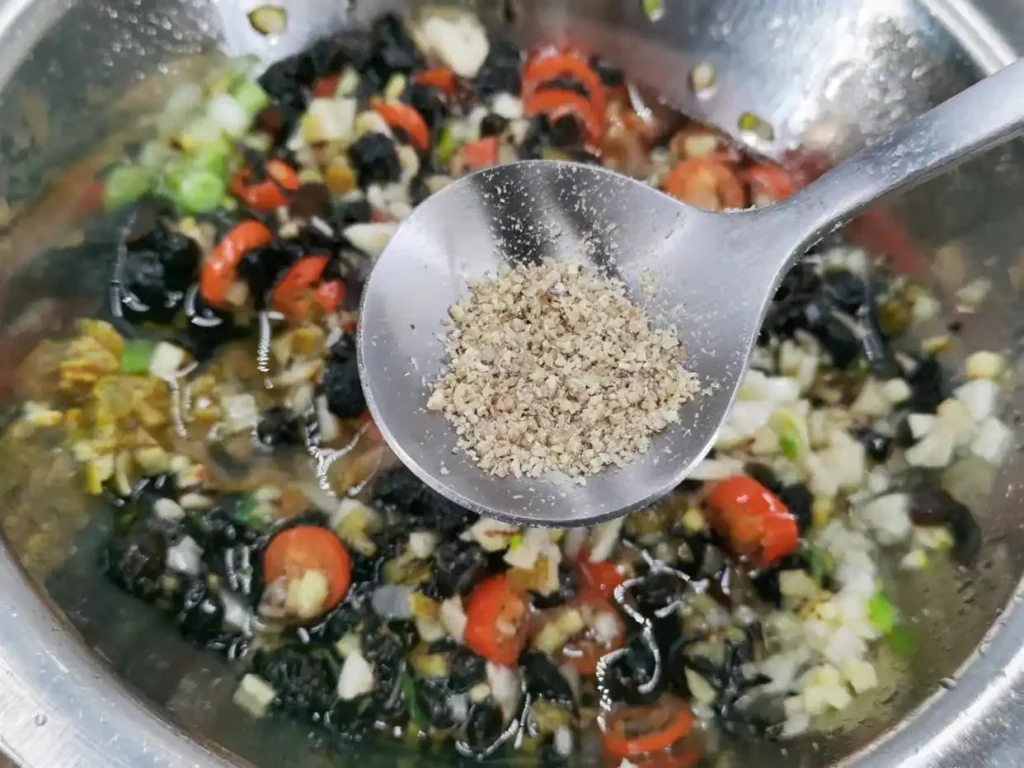
4. Add 2 grams of white pepper powder to remove the fishy smell and enhance the aroma.
5. Add half a spoon of steamed fish soy sauce to enhance the flavor and freshness.
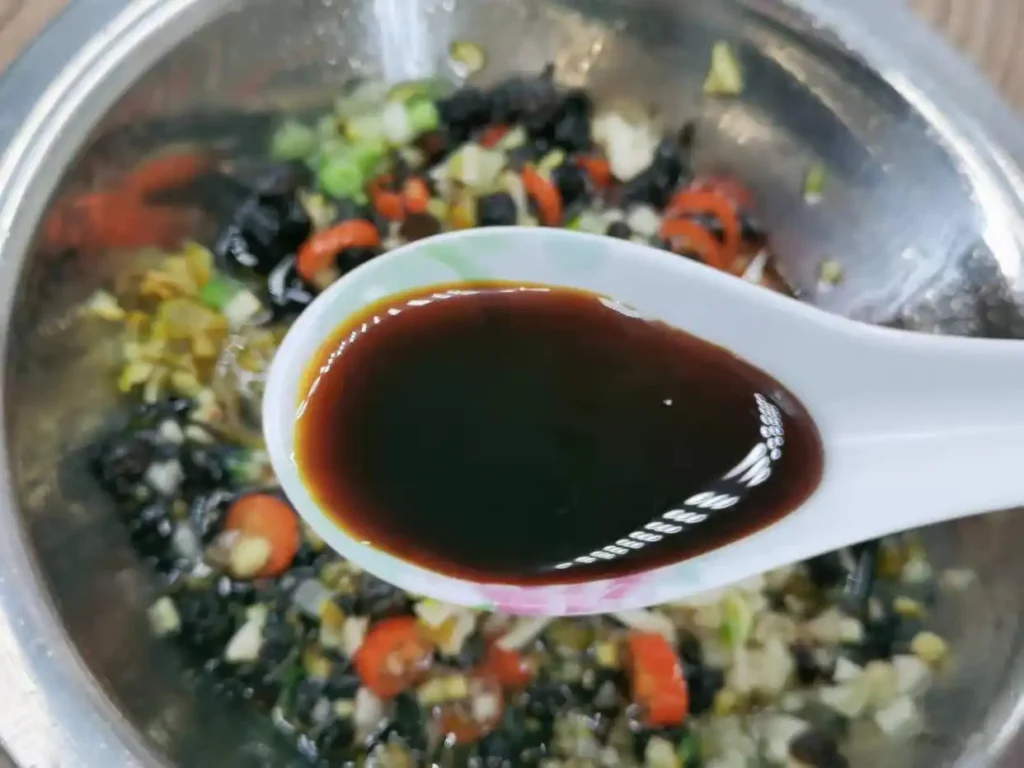
6. Add 1 tablespoon of oyster sauce to enhance the flavor and freshness.
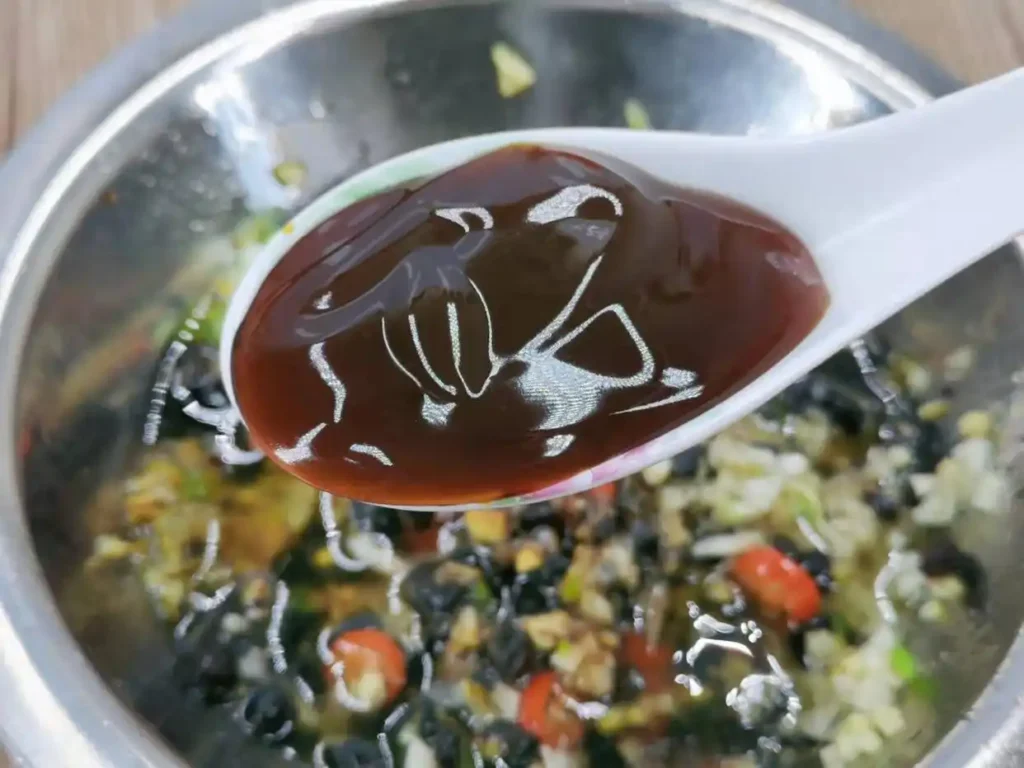
7. Add 3 grams of white sugar to enhance the flavor and freshness.
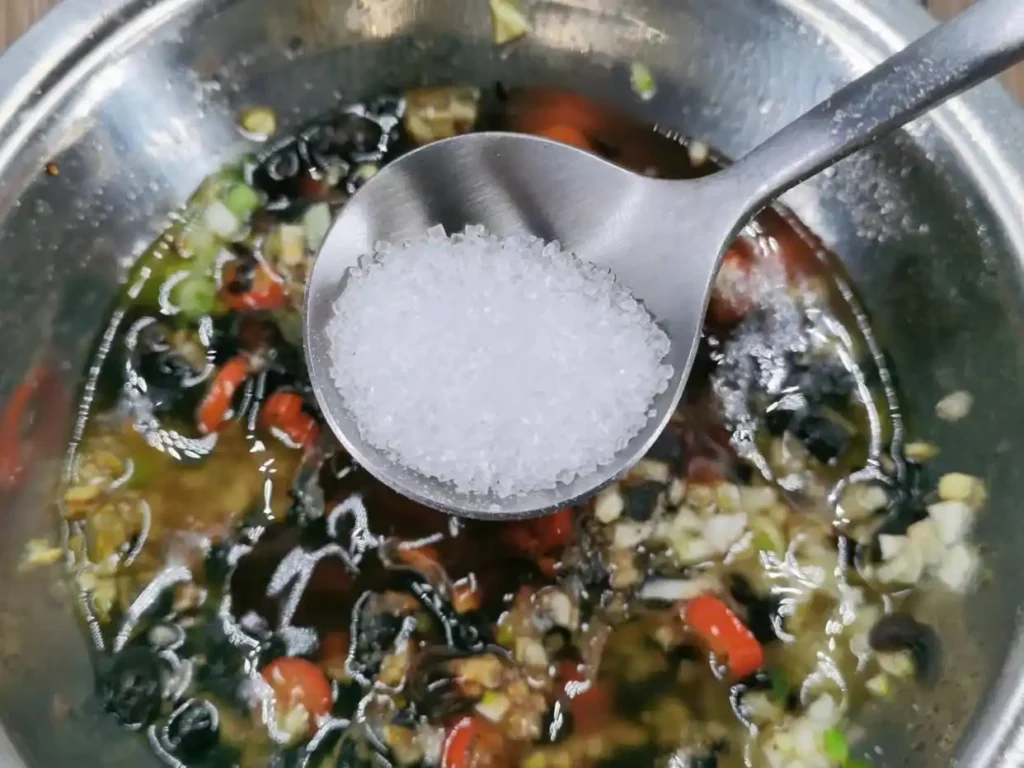
8. Add half a spoon of light soy sauce to enhance the flavor and freshness.
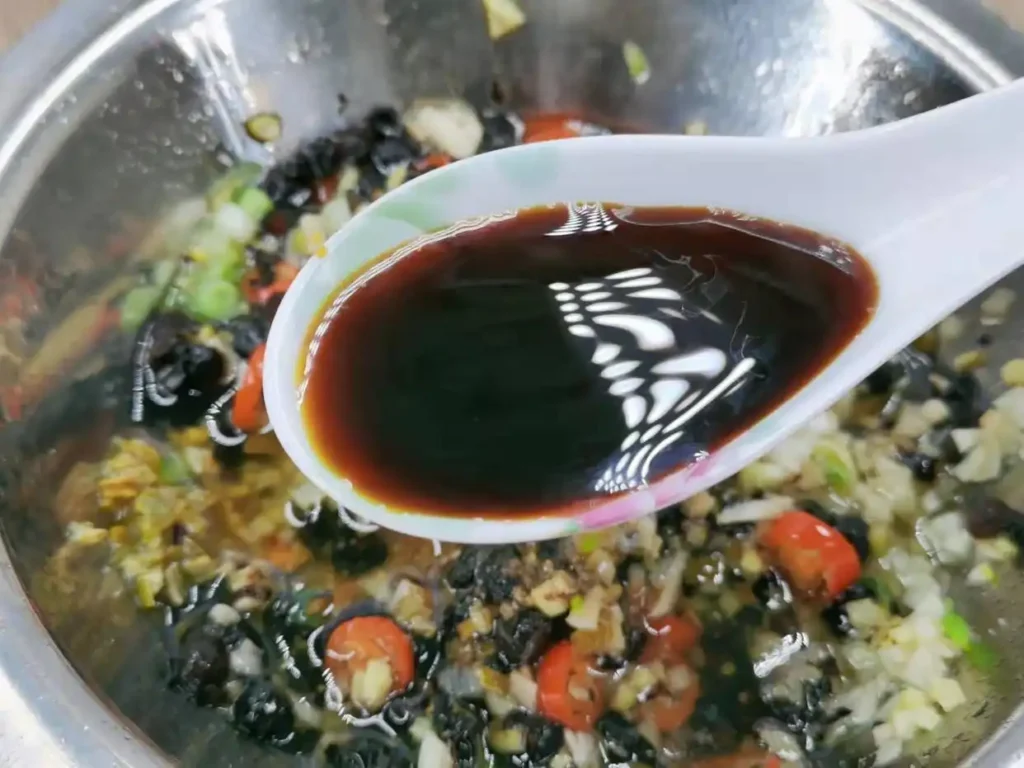
9. Add 2 grams of dark soy sauce for color enhancement. If you prefer a lighter color, you can omit the dark soy sauce.
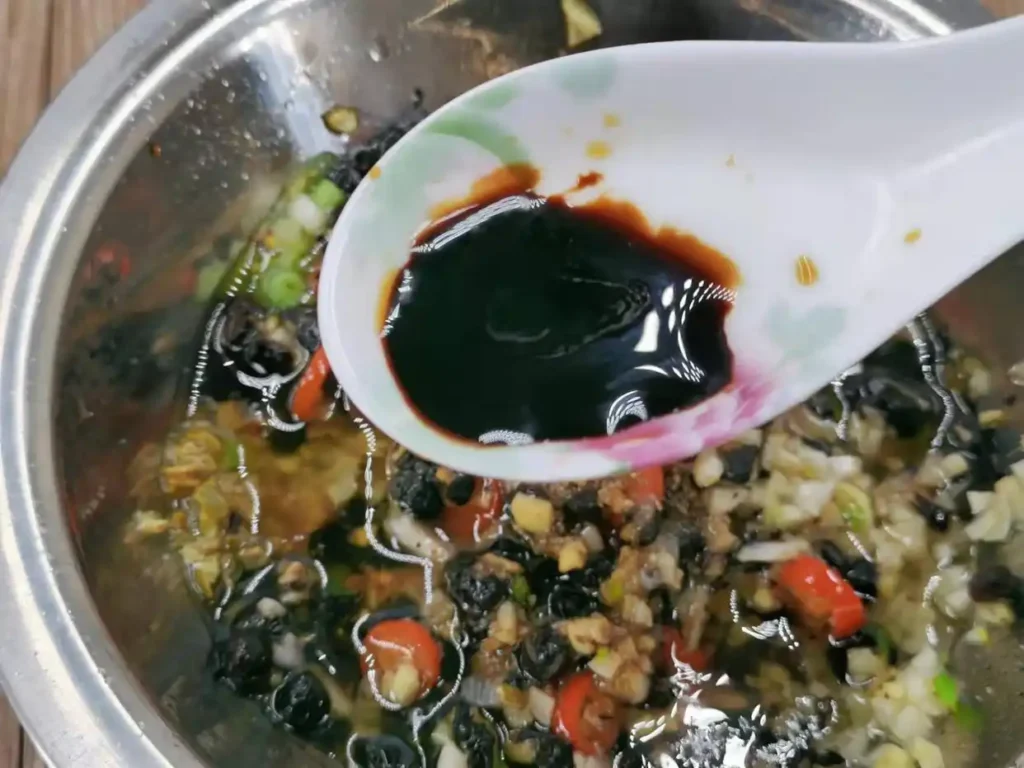
10. Add 3 grams of sesame oil for flavor enhancement.
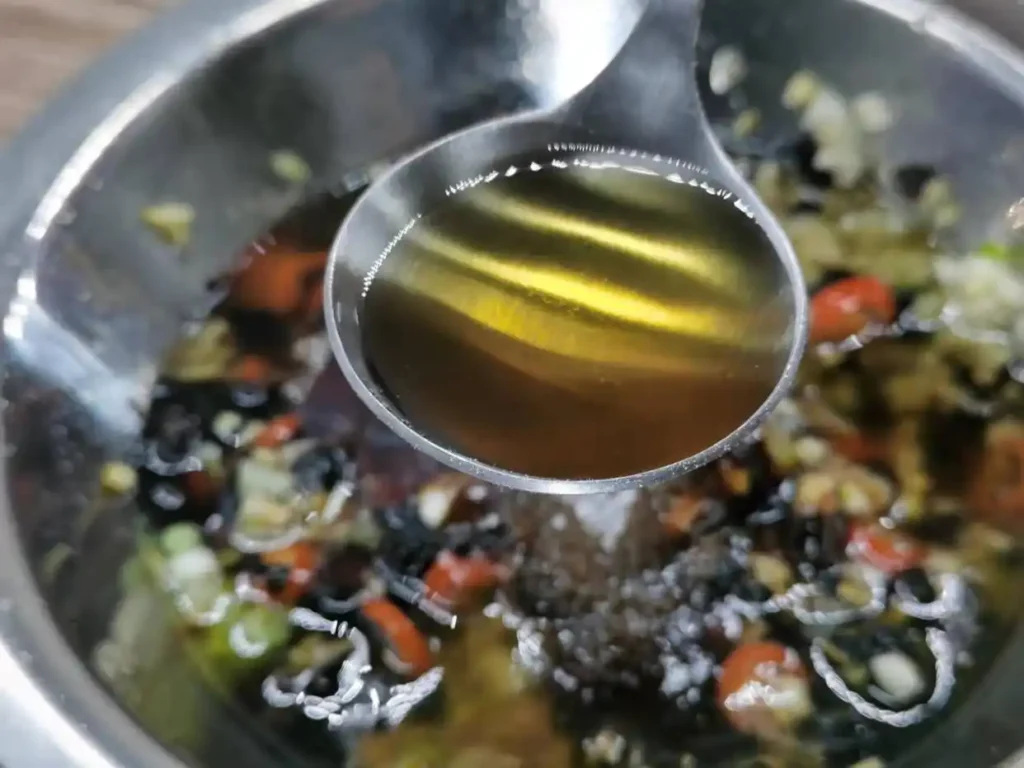
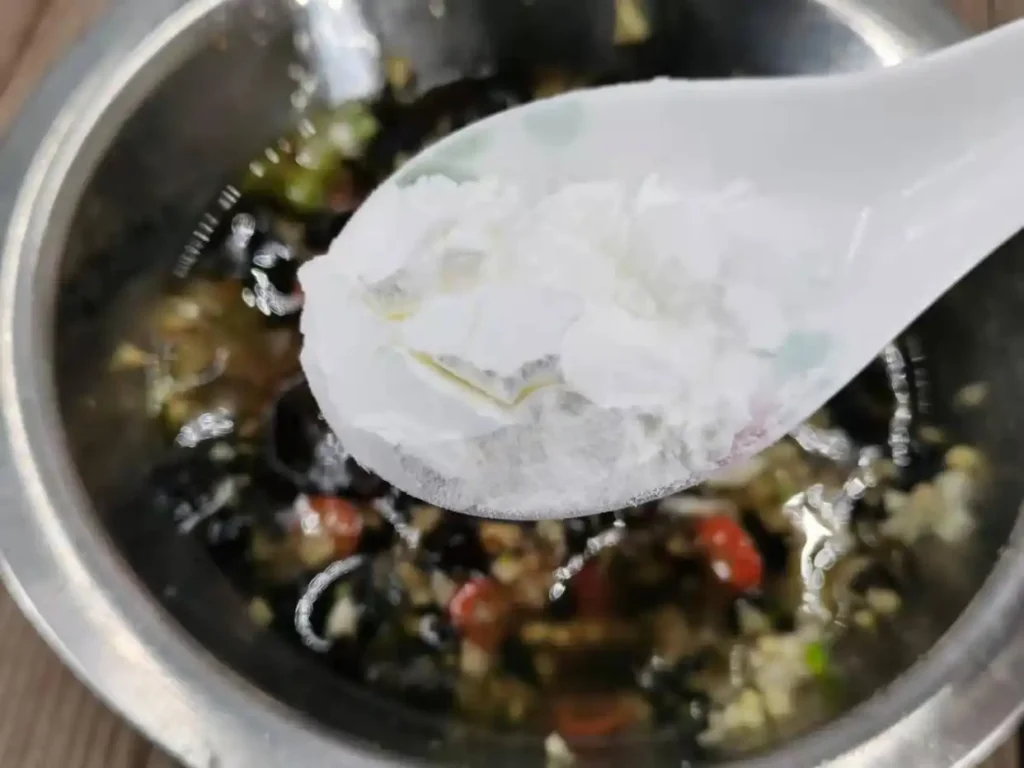
11. Add half a spoon of starch. Adding starch can better retain the moisture in the spareribs and make them easier to absorb flavor during steaming. Note that you don’t need to add too much starch.
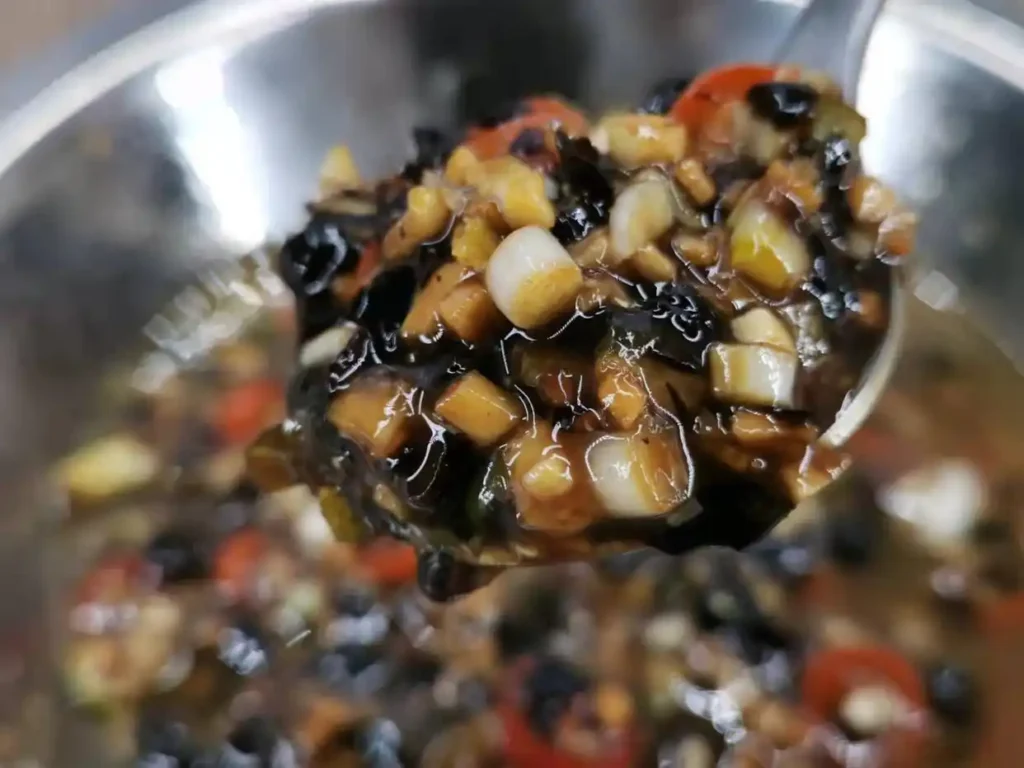
12. Then, thoroughly mix all the ingredients and seasonings together. A simple homemade soy sauce sauce is ready. This soy sauce sauce can be used for all soy sauce sauce-based dishes, such as steamed fish head, steamed pork ribs, steamed chicken, and steamed chicken feet, without any issues. It’s suitable for all of them.
13. Pour the prepared soy sauce mixture into the plate of spareribs, and then mix them thoroughly to ensure that all the spareribs are coated with the sauce and infused with flavor.
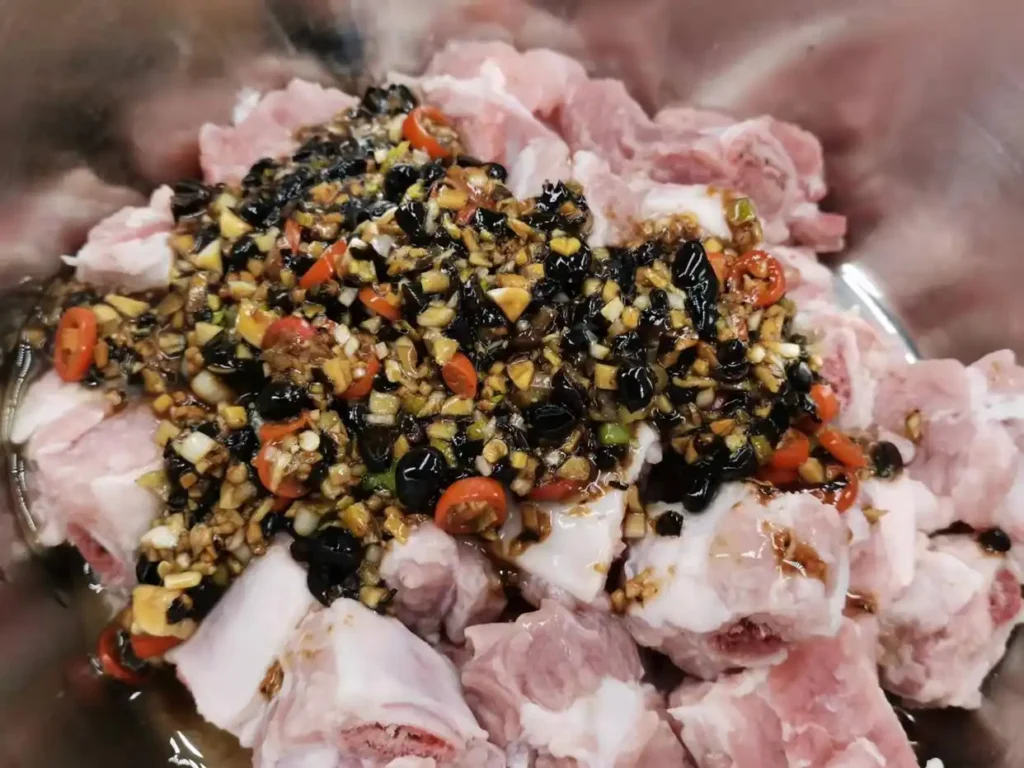
After stirring evenly, it is best to marinate for at least 15 minutes to allow the ribs to absorb the flavor more thoroughly.
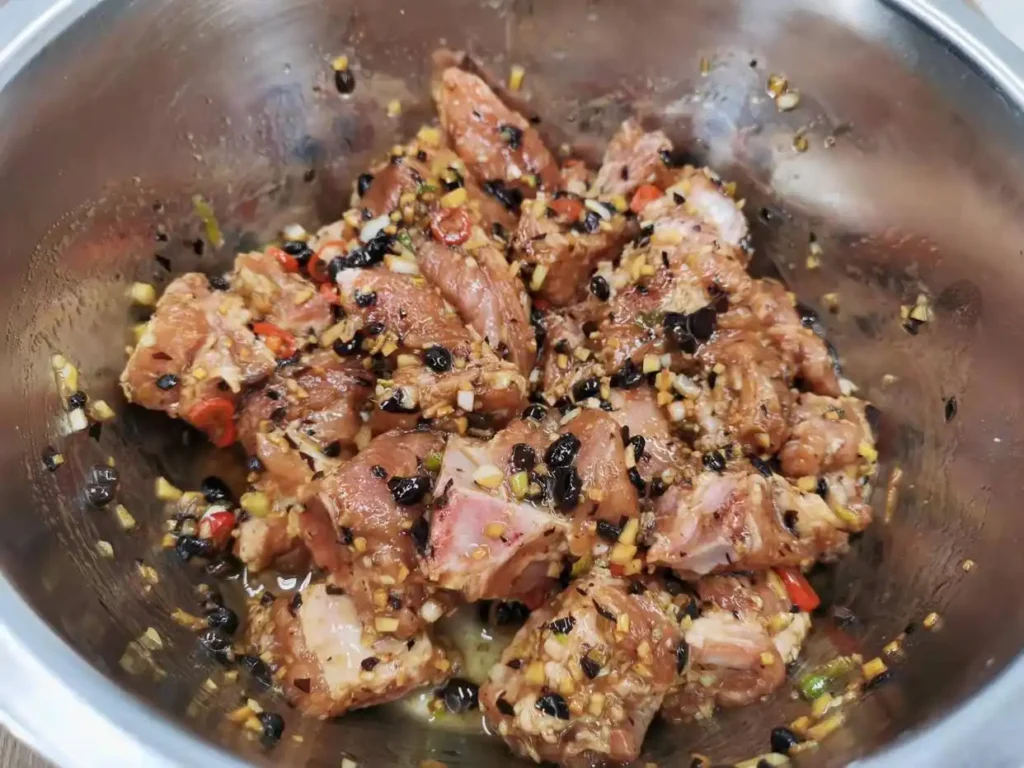
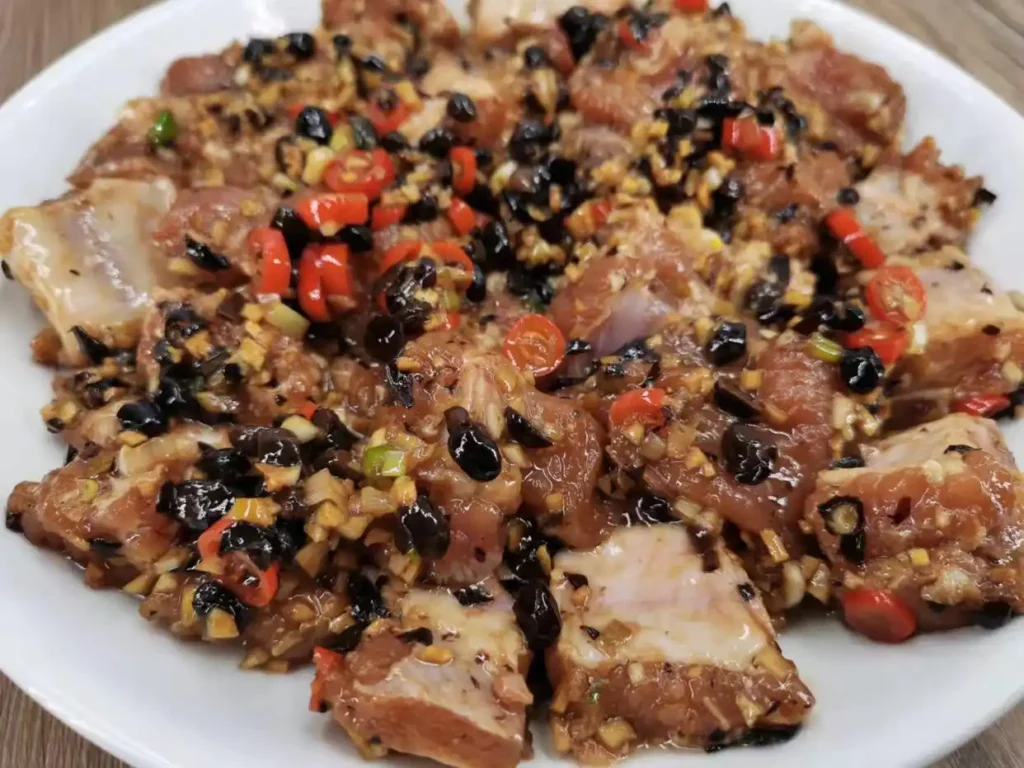
After marinating, lay the ribs flat in the dish, avoiding overlap as much as possible, so that they can be heated evenly and achieve consistent maturity.
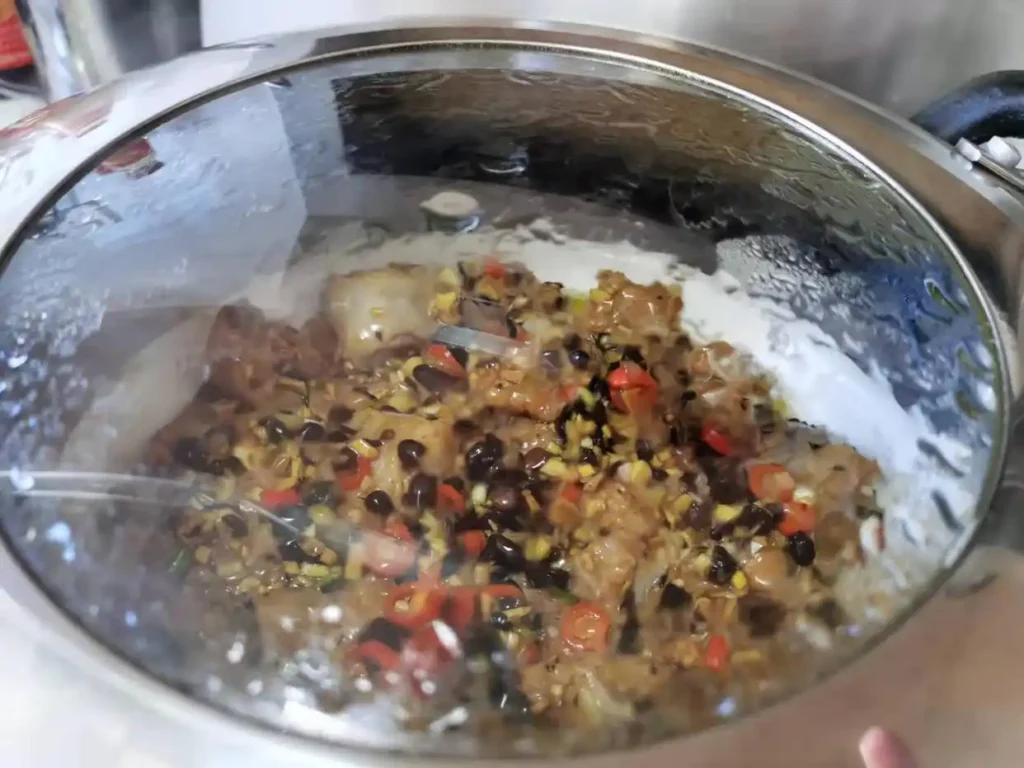
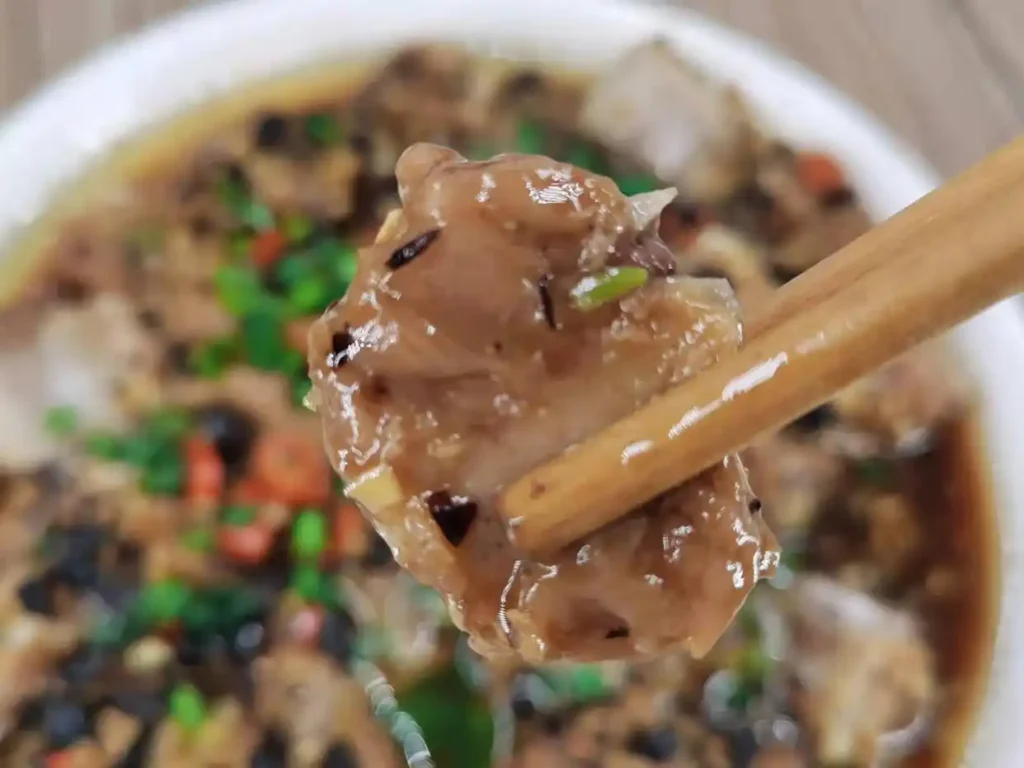
16. Add water to the pot, place a stand, and bring it to a boil over high heat. Then, place the plate containing the ribs on the stand, cover the pot, and steam for about 10 minutes over high heat. Why is it about 10 minutes instead of a specific time? This is because factors such as the size of the ribs and the power of the stove can affect the cooking time of the ribs, so it can only be said to be about 10 minutes.
17. Remove the steamed pork ribs with black bean sauce. If there is a lot of water in the dish, drain some of it. Then sprinkle chopped green onions on top of the ribs as garnish.
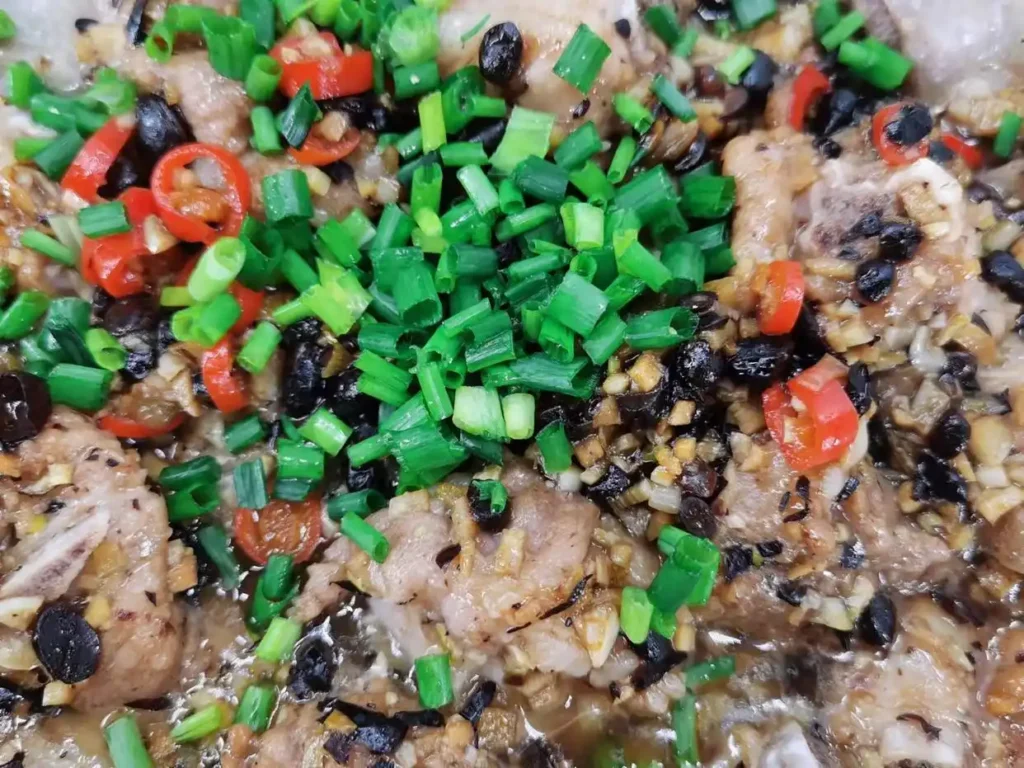
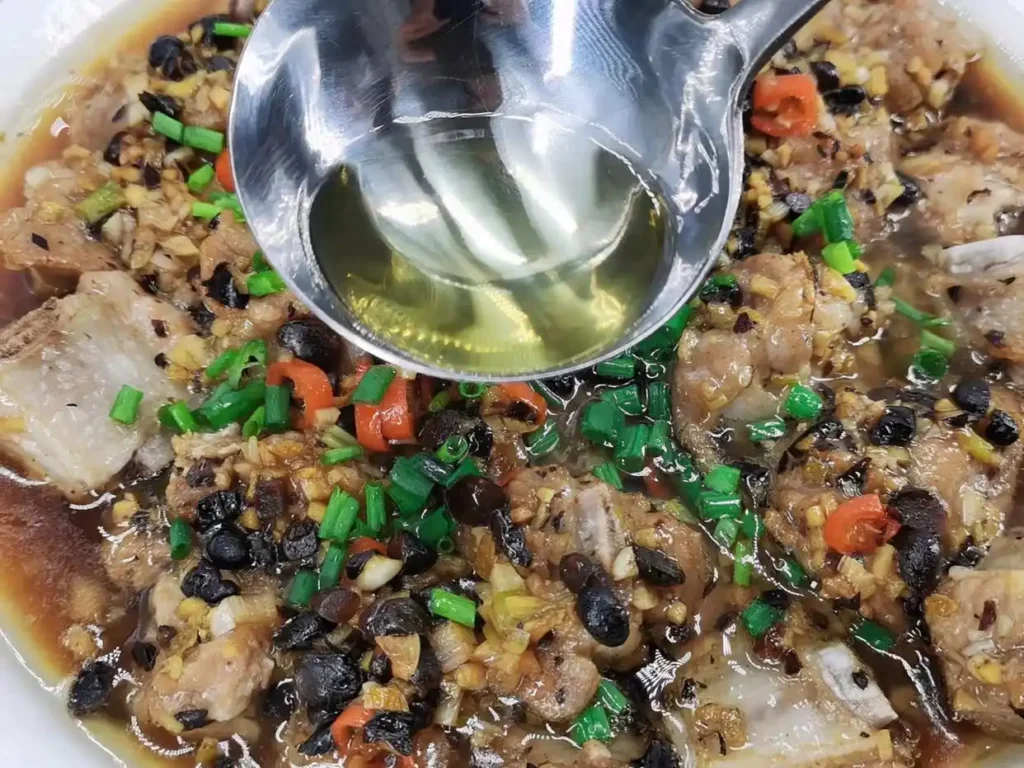
18. Heat a small half spoon of peanut oil (approximately 15 grams) in a hot pot until it reaches 60% heat, then pour it over the chopped scallions to release their fragrance. This completes the preparation of a delicious steamed pork ribs dish with black bean sauce.
Technical issues, personal suggestion:
1. Try not to chop the spareribs too big, and try to make them all of uniform size. This way, they will steam easily and maintain a consistent cooking time.
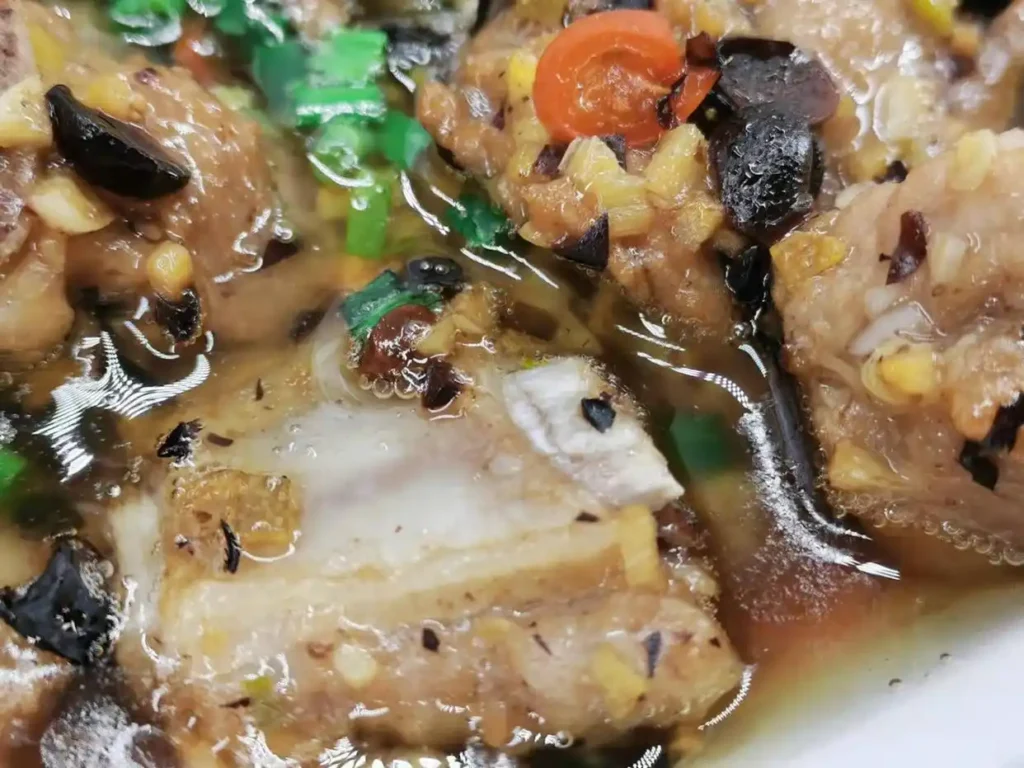
2. When steaming spareribs, you can also cover them with plastic wrap to prevent steam from entering the dish and forming excess juice, which can affect the taste of the finished product.
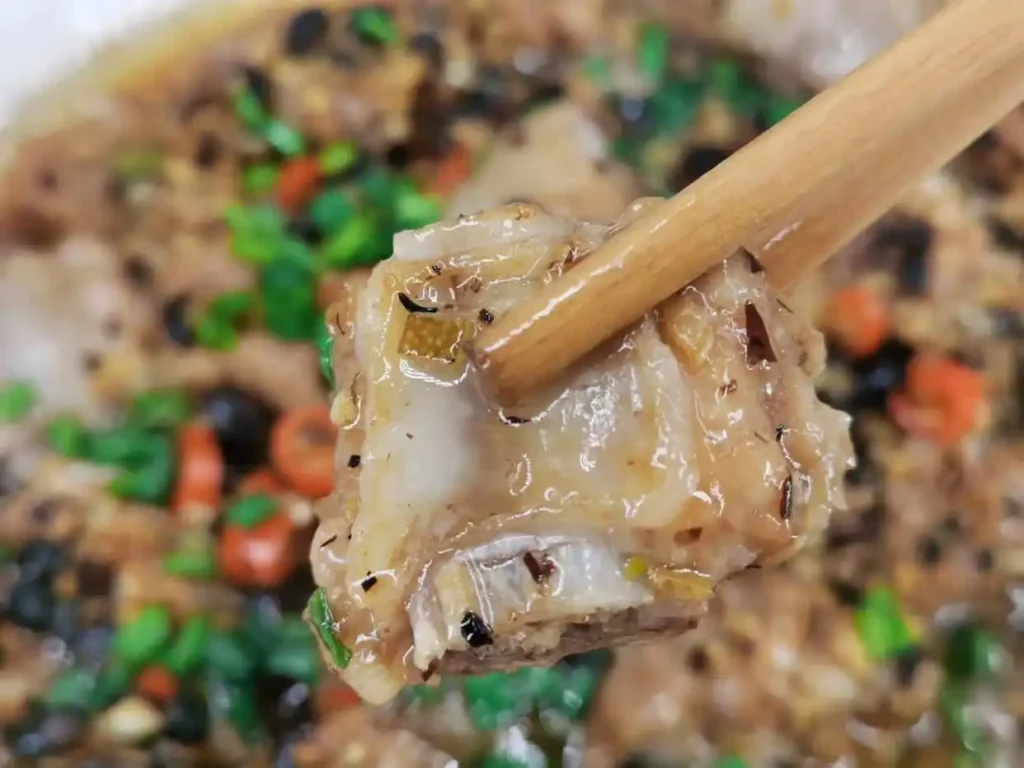
3. If you use a pot for steaming, be careful not to add too much water, otherwise the water will boil and overflow into the dish. If you have a steamer at home, you can use it for steaming.
4. If you don’t like it too oily, you can skip the step of drizzling oil over the scallions at the end.
5. The steaming time can be flexibly adjusted due to various factors such as different stove heat levels, varying amounts of ingredients, different sizes of ingredients, and different sizes of steaming containers. For household stoves and cooking utensils, the steaming time is generally around 10-15 minutes.
Conclusion:
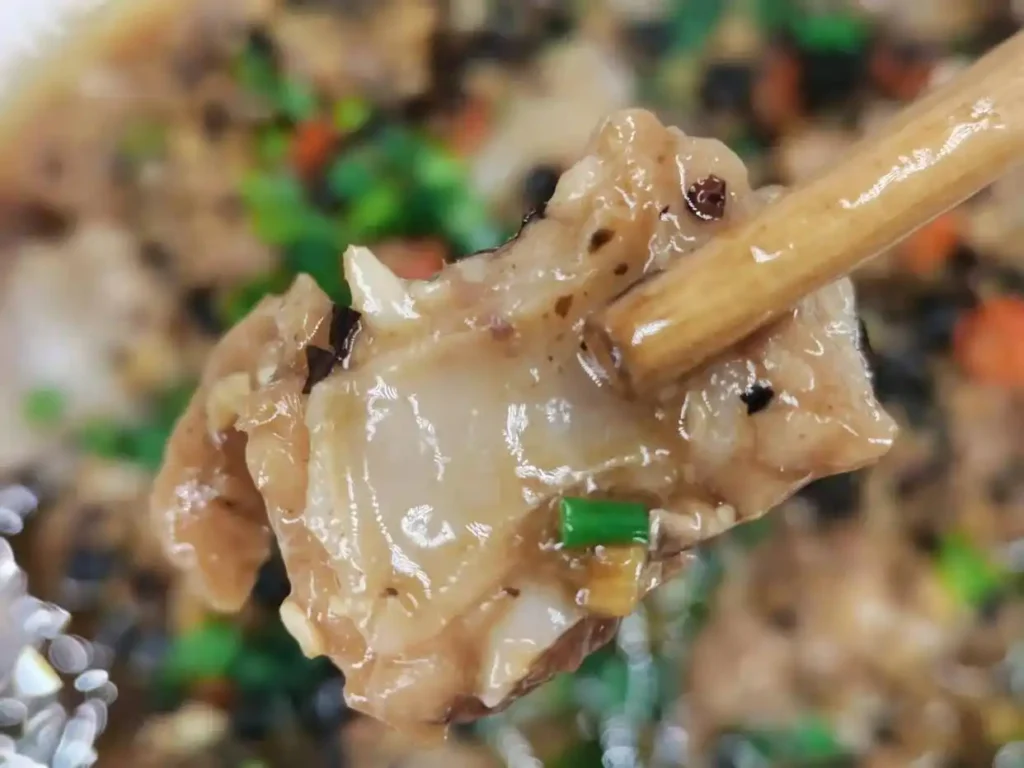
Although the operation steps have been simplified to the greatest extent, we should strive for excellence in some details to ensure a good taste and texture. The flavor of Lao Guang is truly delicious, leaving you with a memorable experience. Five-star recommendation!